
Ride Overview
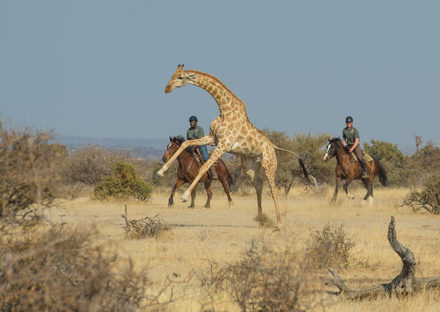
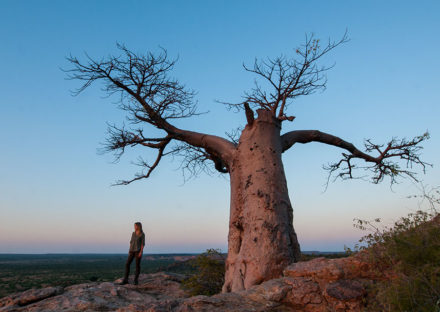
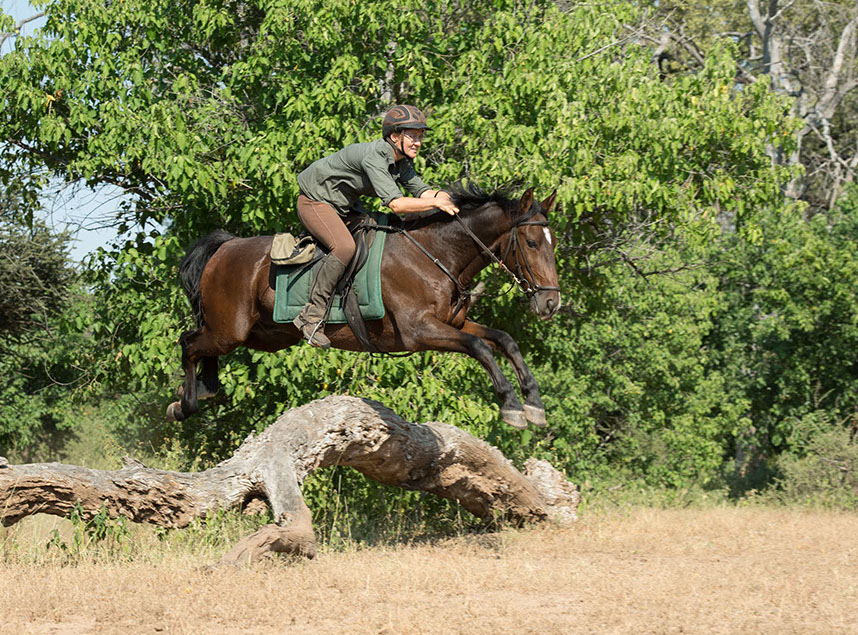
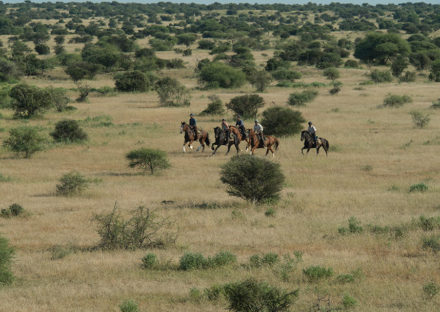
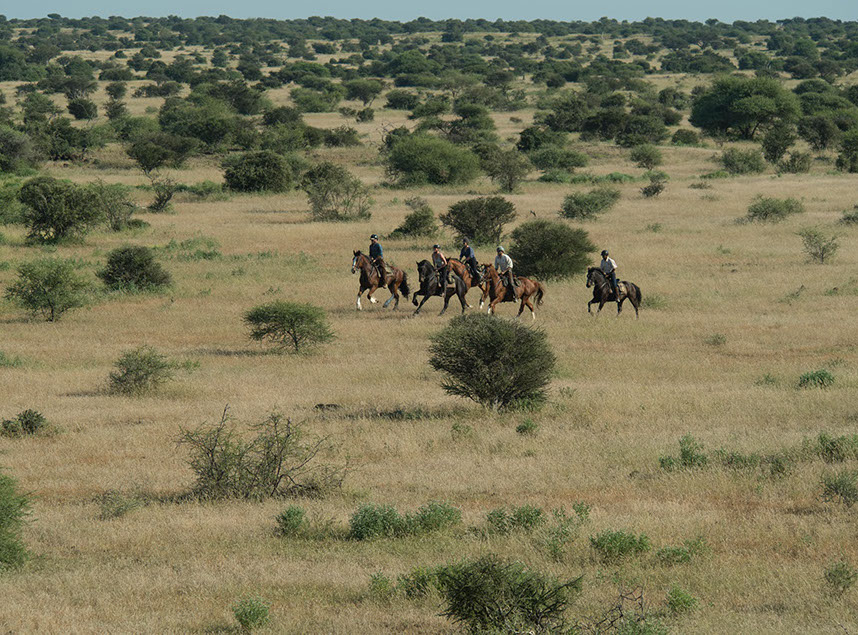
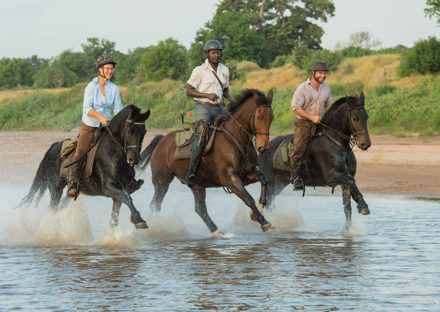
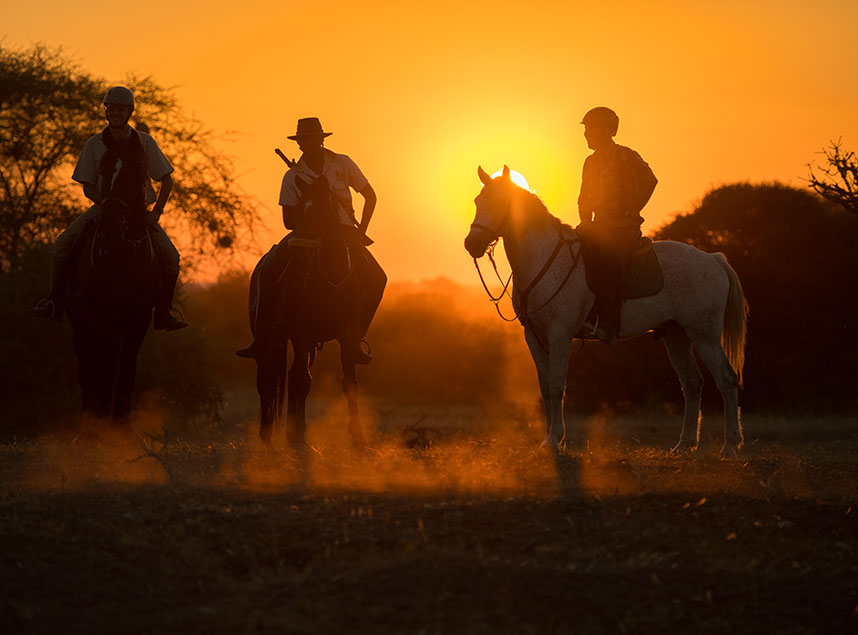
This safari covers approximately 120 miles over the course of the week. You will enjoy exploring the differing topography of the area: open bush, wooded areas, wetlands, and strange rock formations home to large baobabs. Game is plentiful, so there is always something exciting to see! Long extended canters are a feature of the safari before ending each day at one of the beautiful welcoming camps.
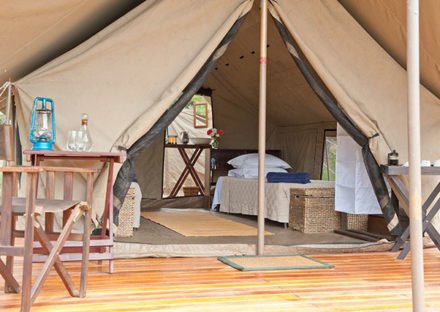
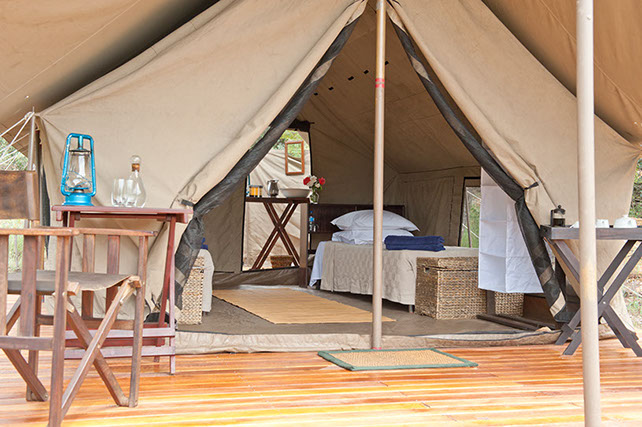
The accommodation for the Tuli Safari is a mixture of luxury tented, basic wilderness camp and African traditional camp. Each camp is unique and makes the safari experience quite authentic and different. The accommodation for the African Explorer Safari (our combination SA and Botswana program) is luxury tented campsites.
2026 Dates and Rates: (based on a 7 night trip)
Low Season: Jan. 3-30 and Dec. 5-Jan. 4, 2027 – $4,135.00 USD or 3062,00£ per person
Mid Season: Jan. 31-Feb. 27 – $4,895.00 USD or 3625,00£ per person
High Season: Feb. 28-Dec. 4 – $5,799.00 USD or 4295,00£
Single Supplement: 35% of weekly rate (High and Mid Season)
25% of weekly rate (Low Season)
2027 Dates and Rates: (based on a 7 night trip)
Low Season: Jan. 1-Feb. 28 and Dec. 1-31 – $4,220.00 USD or £3,246 per person
High Season: Mar. 1-Nov. 30 – $5,918.00 USD or £4,552
Single Supplement: 35% of weekly rate (High Season)
25% of weekly rate (Low Season)
NOTE: There are two versions of this itinerary with only the second half of the week slightly altered.
Included
- 7 nights
- 6 days of riding
- All meals
- Game drives
- Bush walks
- Laundry service
- All local taxes
Not Included
- Airfare
- Conservation levy of $20.00 per person per night
- Travel Insurance
- Gratuities for the team at the end of the stay (cash only)
- Transfers to/from the airport
- Extra Game Drive - $87.50 USD per person
This is our classic and most popular safari - it is a seven night mobile safari, which covers approximately 120 miles over the course of the week. It runs from Sunday to Sunday year round and each day of riding ends at beautiful camps with welcoming walk in tents, full sized beds, fresh cotton linen and hot showers. The safari embraces fine dining in the wilderness and every evening is a delightful mix of good food and great company.
***NOTE: We strongly recommend that all guests should fly into Johannesburg the day before the start of their safari and overnight at an airport hotel to avoid any problems caused by flight delays and to rest up before the start of their adventure. If guests cannot fly in the day before then we would ask that they book their flights to arrive as early as possible before 09h30. Group transfers generally leave at 10:30AM and are not able to wait - any flight delays may necessitate a private transfer for additional fees.
Version 1
Day 1
The Safari starts on a Saturday, following a flight from Lanseria in South Africa to Limpopo Valley Airfield in the Mashatu Game Reserve, Botswana. Guests arrive at Johannesburg International airport and are transferred to Lanseria airport (40 min drive).
Guests are received at the Mashatu stables where they will enjoy a light lunch on the banks of the Limpopo River, receive a safety briefing and meet their horses. Great care is taken to match horse to rider based on a guest’s riding experience and professed ability. However, before embarking on the safari, each guest will be given a simple riding test in order to ensure that they are suitably balanced in the saddle and are able to direct their horse in an independent manner.
It is crucially important for the safety and enjoyment of the whole group that riders wishing to book this Safari are at least intermediate riders. While the journey is not an endurance test, it does involve long hours in the saddle and, with the possibility of close encounters with elephant and the big cats, riders need to be able to gently and confidently control their mounts.
If at this point a rider is unsure of the suitability of their selected horse, a horse swap is possible. At Mashatu, the herd is quite uniform, consisting of well schooled, forward going, but calm horses.
They are mostly Boerperd, a beautiful, gentle natured South African breed particularly suited to this type of work.
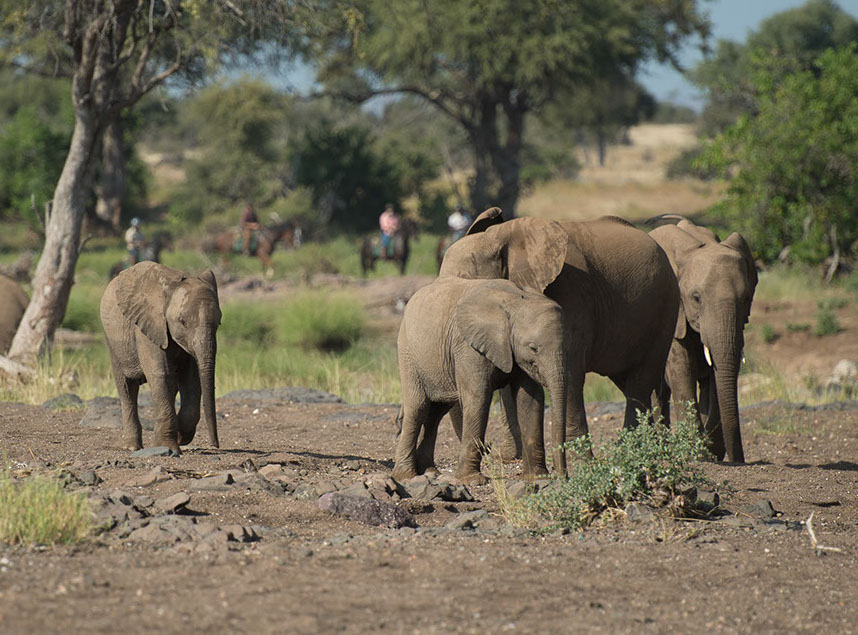
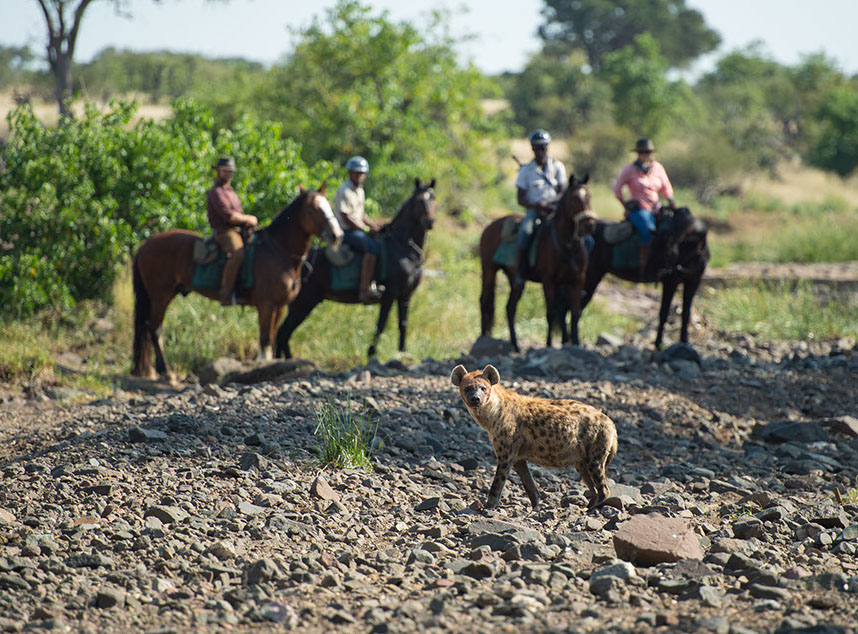
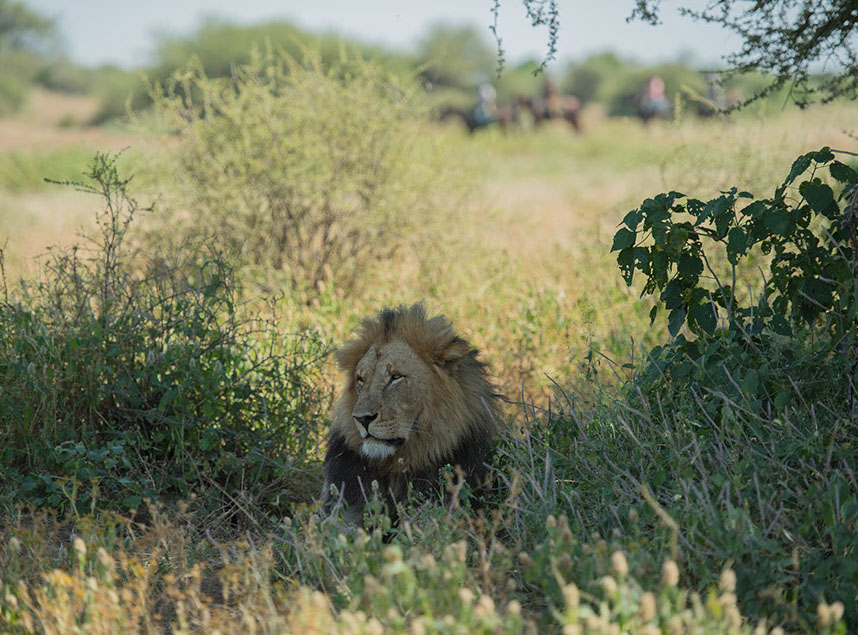
The route on this afternoon is from the Stables to Two Mashatus Camp, a distance of 11km. It follows the Limpopo River floodplains, with good opportunities for those first exciting encounters with elephant, giraffe, zebra, ostrich and wildebeest. The route crosses close to a large wetland area which acts as a magnet for game and there is even a chance to come across bat eared fox, black backed jackal and spotted hyena. It then crosses the Majali River close to its confluence with the Limpopo, a favourite haunt of leopards and a resident pride of lion.
Across an open plain the famous Two Mashatus Camp awaits.
Day 2
The first full day of riding crosses the game rich areas of the central reserve. Following breakfast at dawn, riders set off first along the Majali and then the Mataboli rivers in a north western arc towards the beautifully appointed Tree Camp. The route typically yields rich encounters with elephant, waterbuck, giraffe, impala, wildebeest and zebra. Signs of the many predators that make these rich riverine environments their home are bountiful, and chance encounters possible.
The ride typically takes between four and five hours, and riders start to form a true bond with their individual mounts. The trappings of modern living begin to fall away as the sense of adventure and journey deepens. Tree Camp will be reached in time for a refreshing shower and lunch. After a welcome rest in the comfort of the camp, nestled in the cooling shade of the majestic Mashatu Tree, a hearty tea will be served.
This is followed by a guided bush walk up the Majali River in search of crocodile and other game. Kudu, warthog, klipspringer and eland are all present in the area around the camp, as are elephant, lion and hyena. Waterfowl fly low past the camp and birdsong abounds. This is a truly beautiful place and it is impossible not to immerse oneself in nature and experience the exceptional qualities of Africa’s wilderness areas.
Day 3
Waking in Tree Camp is a magical experience. One feels truly alive, surrounded by birdsong as the early morning light filters through the majestic tree’s leaves.
After a quick breakfast, riders set off on the one of the journey’s longest rides – up onto the edge of the mini escarpment and then down, through the Valley of the Elephants and on towards the distant sandstone citadels guarding the Limpopo and Motloutse Rivers.
The first part of the journey is not to be hurried, as the horses wind along well worn elephant paths, past giant baobabs and the occasional shallow watering pan. Soon, however, the country opens up and the horses can start to stretch their legs along soft ground leading to the headwaters of a stream flowing off the ridge and down towards the Limpopo. This is prime elephant country and the guides are always on the lookout, using all their sharpened senses.
Once the path leaves the river, the terrain is once again more open and the pace faster. A second river is then joined, which leads directly down to the veterinary control gate on the main road through Mashatu Game Reserve. The route then follows the road for a short while before heading across flat country towards the intriguing Sacred Rock massif. Here the mopane vegetation is short and it is safe to ride quite fast across the plain.
Large herds of zebra, wildebeest and impala habit this area. The guides plot their route using individual mashatu, leadwood and apple-leaf trees as their markers. Soon riders reach the old leadwood enclosure (used in the past as a traditional law court of a Botswana village) known as ‘The Kgotla’. This open-air enclosure forms the perfect, secure camp for the night. The camp is not far from the banks of the Motloutse River and, with high concentrations of game living along the river’s fertile floodplain, the area is home to large prides of lion and clans of hyena. The sounds of these predators at night provide enduring memories!
In the afternoon, we search for the area’s resident lion on a game drive and draw the day’s adventures
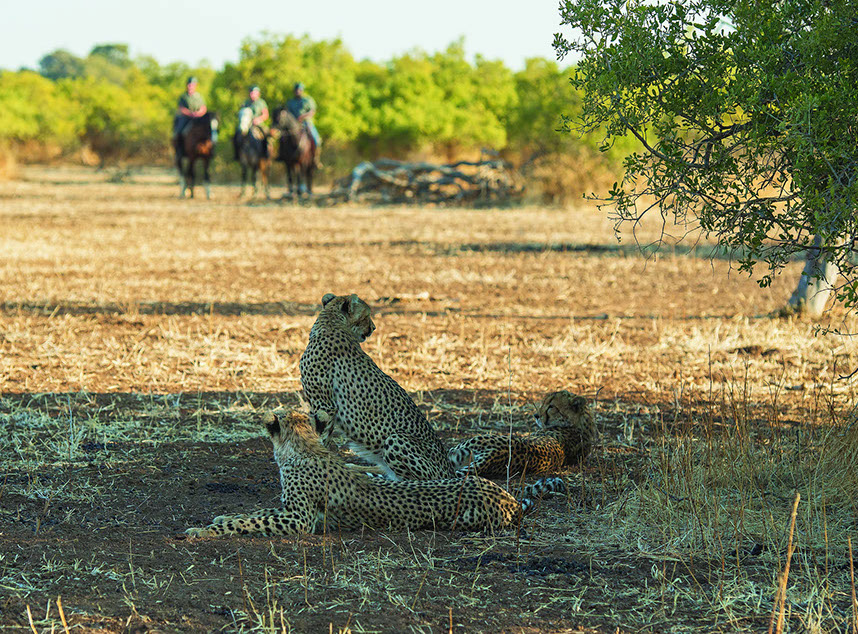
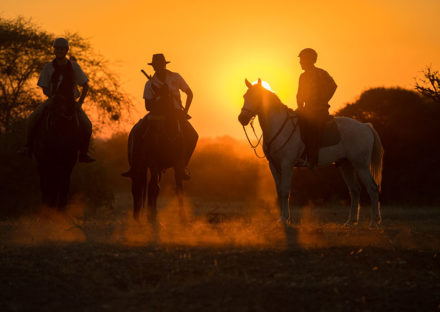
to a close with sundowners at the ancient “Amphitheatre” rocks. Whilst big cat sightings from horseback occasionally happen, we follow a ride away policy. The best opportunities to approach lion,
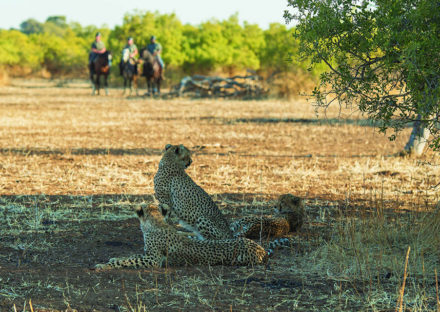
cheetah, leopard and spotted hyena occur whilst on game drives where the vehicle acts as a natural hide and is largely ignored by the predators. Back at the Kgotla, dinner is enjoyed around a large log fire.
The night is spent with a ceiling of stars and Africa’s night-time melody to sing you to sleep; a veraciously rare experience which is just about as far away from city life and the modern world as anyone can imagine.
Day 4
The riding this day is more relaxed and tailored to the group, since a different camp does not need to be reached by nightfall. A particularly interesting route to follow is first along the Motloutse River, stopping at well known elephant drinking holes to watch the herds come and go before winding down towards the impressive Solomon’s Wall, a tall dolomite dyke which was breached by the river in ancient times.
This is the favourite haunt of troops of baboon, which are always fascinating to watch. The trail then follows the banks of the river, flanked by giant mashatu and leadwood trees, towards the mighty Limpopo. This area is renowned for its dramatic sandstone rock formations, steeped in colour and home to eland, klipspringer and kudu. Some of the oldest civilizations in southern Africa settled in this valley.
Archaeological evidence in the area includes middle and late stone age tools, rock art and the legendary Mapungubwe Dynasty. Mapungubwe means “Place of the Jackal” in the Venda language and this dynasty existed around 1220 AD.
The Mapungubwe topography itself is ancient and timeless and, combined with marvelous wildlife sightings, makes for an incredible riding experience.
The game drive in the afternoon takes guests to the foot of the impressive Mamagwa massif, a free
standing formation which was used by British troops as a defensive position against incursions from the Transvaal Boers at the end of the 19th century. Sundowners are traditionally taken at the far western edge of the massif, with endless views over the wilderness landscape whilst watching the sun slowly slip over the horizon. The drive back to Kgotla in the dark provides more excellent opportunities to spot lion, leopard and hyena.
Day 5
On this day the journey turns northeast and follows a series of river trails on the way back to the centre of the reserve. Life in this arid environment is always concentrated near water, and the ride promises sightings of elephant, zebra, giraffe and wildebeest.
The route crosses the watershed and then winds along ancient paths adjacent to a stream flowing north towards the Majali River. At these elevated heights, the sweeping views to the north reveal the true wilderness character of Mashatu Game Reserve. Baobab trees scatter the landscape as they have for centuries, and remarkably two of these giants are found growing directly in the stream itself. This provides an excellent spot for both horses and riders to stop for a rest and a drink.
The remainder of the day’s riding is a mixture of elephant trail trekking and canters across relatively open mopane veld. The final stretch is along the Majali River itself, past rocky pools, cliff faces and ribbons of green grass. Encounters with baboon, kudu, klipspringers and crocodile are likely. Tree Camp is finally reached after 4-5 hours of riding.
That afternoon guests leave their horses to a well earned rest and will go either on a guided bush walk or, subject to availability, a game drive with Mashatu Main Camp guides. This opportunity, while provided at an extra cost, should not be missed as the near guaranteed sightings of lion and leopard, and sometimes of cheetah, are legendary. The guides are very knowledgeable about the structure and whereabouts of the various prides and individuals, and failure to find them is very rare indeed.
Day 6
With an early departure from Tree Camp, this ride offers sweeping views to the east and south, bathed in early morning light, as it traverses along the edge of a ridge near the centre of the reserve. The path then descends to a game rich area south of the Majali River. The wetland area are the favourite haunt of baboon and impala. Sooner or later the great herds of elephant come past for their daily drink, to play in the water and enjoy a dust bath.
The final part of the ride is first across open plains with some fast canters, and then through cool riverine vegetation along the approaches to Two Mashatus Camp. This is the original Trail camp and is
beautifully situated nestled amongst giant mashatu and apple leaf trees close to the banks of the Limpopo River. This area typically boasts the highest density of elephants in the reserve, who sometimes roam through the camp in a gentle yet determined way. It is also excellent for lion and leopard as well as baboon, bushbuck and waterbuck.
Guests sleep in standard safari tents with ensuite facilities. After four to five hours in the saddle, this is the perfect place to relax. On hot days the swimming pool at Two Mashatus is particularly welcoming.
Day 7
This the last full day on Mashatu Game Reserve and the riding explores the game rich area along the
Majali and Pitsani Rivers. In the north there are open plains . Overall the riding is relaxed, with the guides
responding to the herds whilst keeping their eyes peeled for the big cats. In the afternoon there is the option of a bush walk or a shorter ride, maybe to the banks of the Limpopo River where elephants are often seen crossing.
Day 8
The final ride of the safari is back to the Stables, following the Limpopo River upstream. The route
passes game rich habitat, including a hyena den and a large wetland which can be home to large flocks of waterfowl. Other notable sightings include Kori Bustard, the largest flying birds in Africa, bat eared foxes and ostrich.
Once at the Stables it time for a shower and meal on the banks of the great river, and then a short journey to the Limpopo Valley Airfield for the flight to Johannesburg in South Africa.
***NOTE: Flights on departure day must be booked to depart after 20h00.
Version 2
All days 1-4 are as explained on Version 1
Day 5
This morning’s ride starts by taking advantage of the wonderfully sandy soil in the west of the reserve
with some long and open canters. This is then followed by a spectacular route over the rock massif that dissects this area of the reserve. This mountain pass will include a short stretch of the legs where we lead the horses through the rocks, once over the top it’s a short ride down to an open plain where we can enjoy another canter until you reach the banks of the Limpopo River.
Awaiting you in the deep riverside shade is a breakfast you will never forget. After breakfast and a chance to water the horses you will enjoy a ride along shady riverside tracks back to the Kgotla camp.
Arriving in time for a luxurious siesta before the afternoon game drive to the Ampitheatre, where yet another incredible vista into the west provides us with the perfect sundowner spot.
Day 6
On this day the journey turns northeast and follows a series of river trails on the way back to the centre of the reserve. Life in this arid environment is always concentrated near water, and the ride promises sightings of elephant, zebra, giraffe and wildebeest.
The route crosses the watershed and then winds along ancient paths adjacent to a stream flowing north towards the Majali River. At these elevated heights, the sweeping views to the north reveal the true wilderness character of Mashatu Game Reserve. Baobab trees scatter the landscape as they have for centuries, and remarkably two of these giants are found growing directly in the stream itself. This provides an excellent spot for both horses and riders to stop for a rest and a drink.
The remainder of the day’s riding is a mixture of elephant trail trekking and canters across relatively open mopane veld. The final stretch is along the Majali River itself, past rocky pools, cliff faces and ribbons of green grass. Encounters with baboon, kudu, klipspringers and crocodile are likely.
Tree Camp is finally reached after 4-5 hours of riding.
That afternoon guests leave their horses to a well earned rest and will go either on a guided bush walk or a game drive with Mashatu Game Reserve Main Camp guides (subject to availability). This opportunity, while provided at an extra cost, should not be missed as the near guaranteed sightings of lion and leopard, and sometimes of cheetah, are legendary. The guides are very knowledgeable about the structure and whereabouts of the various prides and individuals, and failure to find them is very rare indeed.
Day 7
With an early departure from Tree Camp, this ride offers sweeping views to the east and south, bathed in early morning light, as it traverses along the edge of a ridge near the centre of the reserve. The path then descends to a game rich area south of the Majali River. The wetland area are the favourite haunt of baboon and impala. Sooner or later the great herds of elephant come past for their daily drink, to play in the water and enjoy a dust bath.
The final part of the ride is first across open plains with some fast canters, and then through cool riverine vegetation along the approaches to Two Mashatus Camp. This is the original Tuli Trail camp and is beautifully situated nestled amongst giant mashatu and apple leaf trees close to the banks of the Limpopo River. This area typically boasts the highest density of elephants in the reserve, who sometimes roam through the camp in a gentle yet determined way. It is also excellent for lion and leopard as well as baboon, bushbuck and waterbuck.
Guests sleep in standard safari tents with ensuite facilities. After four to five hours in the saddle, this is the perfect place to relax. On hot days the swimming pool at Two Mashatus is particularly welcoming.
Day 8
The final ride of the Tuli Safari safari is back to the Stables, following the Limpopo River upstream. The route passes game rich habitat, including a hyena den and a large wetland which can be home to large flocks of waterfowl. Other notable sightings include Kori Bustard, the largest flying birds in Africa, bat eared foxes and ostrich.
Once at the Stables it time for a shower and meal on the banks of the great river, and then a short journey to the Limpopo Valley Airfield for the flight to Johannesburg in South Africa.
* Please be aware that due to changes in weather and other unforeseen events the itinerary may be changed at the last minute.
Google Maps API Key is not set. You can add your Google Maps API Key under Customizer > Misc options panel. If you do not have one yet then create by clicking here.



Alix J.
Botswana had all of the same game as South Africa (impala, springbok, kudu, wildebeest, eland, blesbok, steenbok, gemsbok, zebra, warthogs, duiker, ostriches and the resident giraffes. Lots of monkeys, baboons and birds of every color) plus ELEPHANTS which are truly amazing and a bit scary but the guides are extremely careful and provide clear instruction on when to hold still and when to retreat.
We spent one night in an amazing treehouse camp and listened to lions and leopards all night. We tracked cats but never saw them while riding. We did take one Big 5 jeep safari and saw lions resting and rhinos and adorable baby rhinos. (Rhinos are still so subject to poaching that protecting them requires a huge investment in TALL electric fencing and guarded gates.)
The guides were universally amazing and knowledgeable. Becoming a guide is a very demanding professional qualification and all the guides know animals, birds, plants, history, multiple languages, first aid, current events and more! It is worth really talking with them to learn their fascinating stories.
If you’ve ever wanted to safari in Africa and are a good rider, I can’t imagine a better way to do it!