
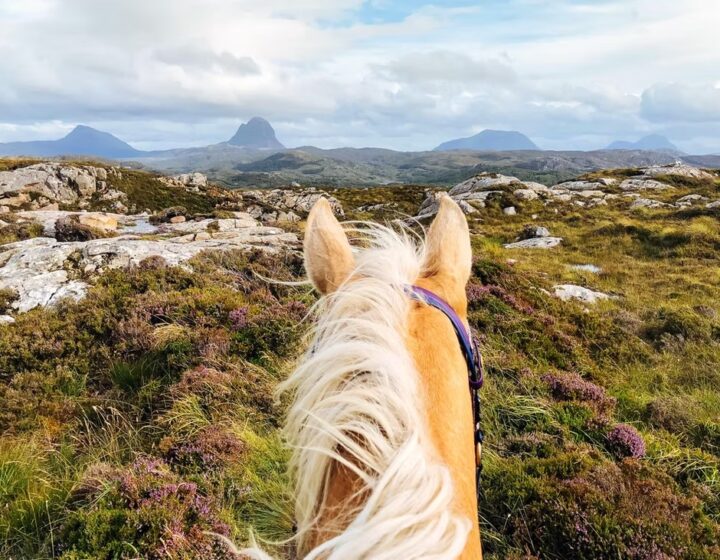
Scotland’s Awesome Assynt Ride
If you're interested in horseback riding in the Highlands - Assynt, Scotland is completely for you! The area offers breathtaking scenery and a rugged landscape that's perfect for exploring on horseback. This ride is perfect for those who want to get a...
$2,675 View More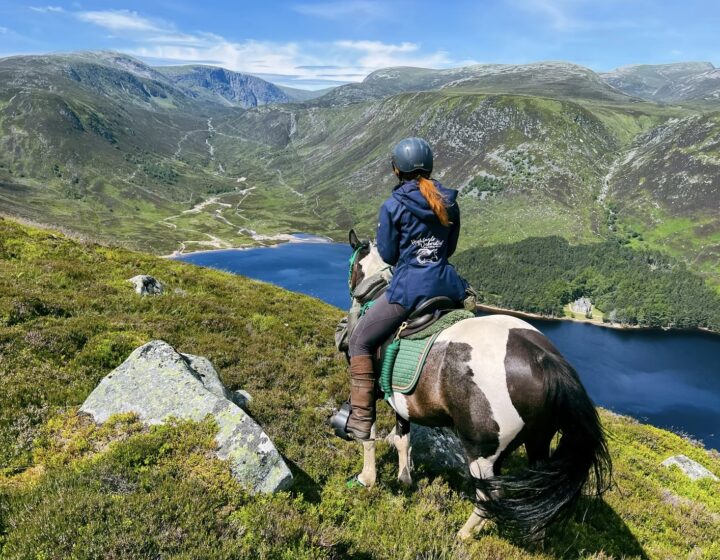
Scotland’s Ultimate Cairngorm Trail
Let us say right up front here - this ride is for advanced riders only - it's got loads of long and fast canters, places where you need to get off and hand walk your horse up or down more difficult terrain...
$4,920 View More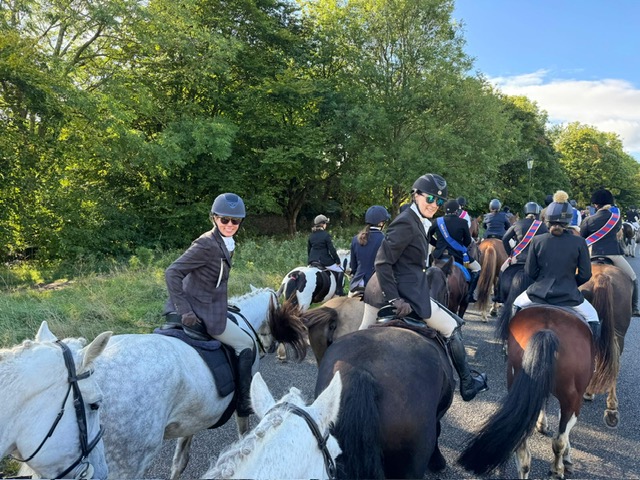
Scottish Borders – Festival Ride
Heads Up - and Tally Ho!!!!! Hold on to your helmets - this is a Special-One-Week-Only-Ride in our beloved Scottish Borders!!! And we are super excited as it's in prime time summer! For about three hours each day you will gallop the...
$5,435 View More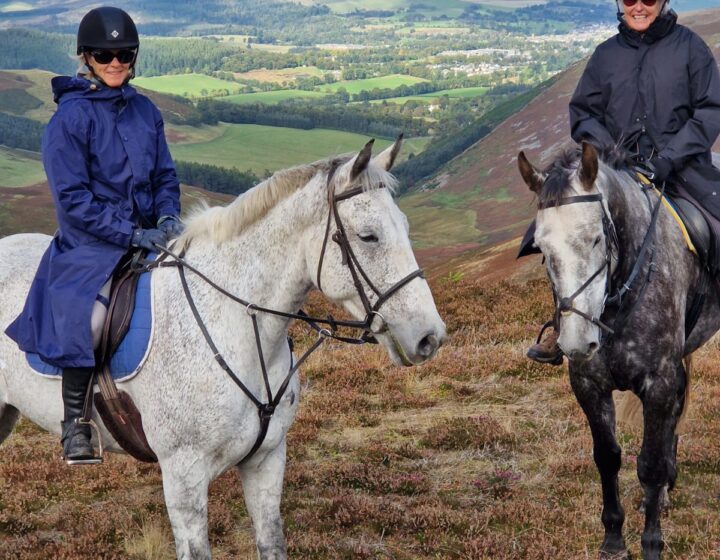
Scotland’s Castle Stay and Ride
This is THE quickest and easiest break of all - and so perfect for a mid winter pick me up! Grab your helmet and boots and zip your way to Edinburgh - grab your spiffy rental car and after a short 40...
$2,990 View More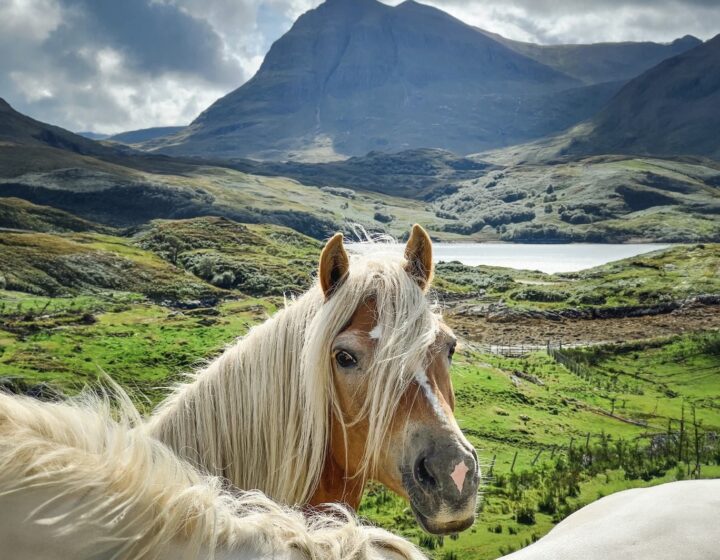
Scotland 3 Coast Inn to Inn Ride
For all of our wild at heart, get out and go, brave the wilds fans - THIS is the ride that's calling you.......it's rugged, stunning, breathtaking and full of scenery that is hidden from common sight. You'll spend 10 days exploring the...
$6,735 View More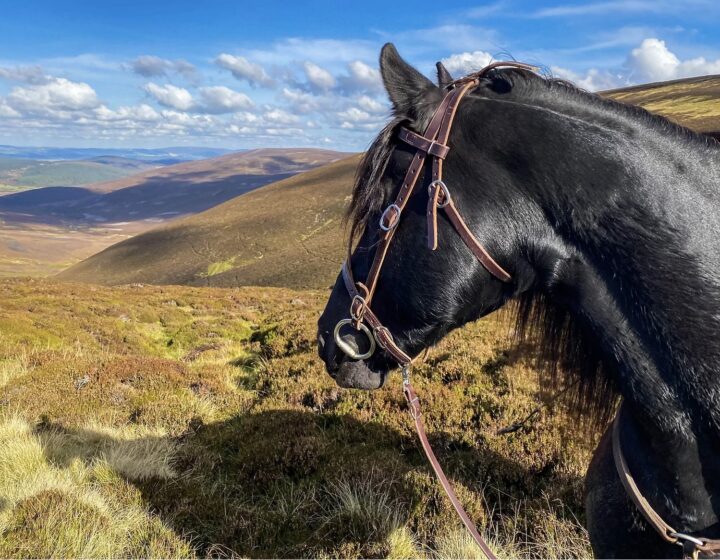
Scotland Short Breaks
You've asked (and asked and then asked again) for us to give you short break options in the Highlands - OK! We get it - and are super thrilled to offer you the following options - Spring, Summer and Fall - you...
$675 View More